Which Premium Wireless Earbuds Fit You — by ANC, Sound, Fit and Value
Premium earbuds don't have a single winner — the right one flips depending on whether you care most about noise cancellation, sound, open-fit comfort, or proven value. This guide segments the leading picks by buyer priority using owner discussion, not spec sheets. The clearest pattern: owners who rank ANC first land on a different earbud than owners who rank sound first. It covers ANC, sound, fit, the Apple ecosystem, and value; it does not cover over-ear headphones.
Which Product Fits Which Buyer
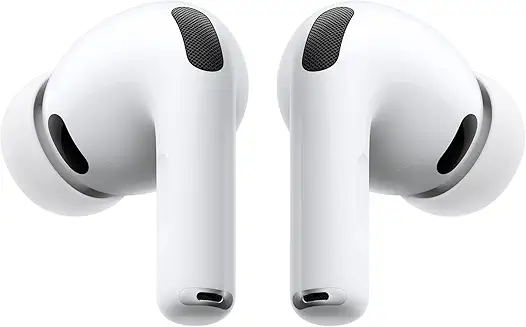
The ANC pick. Owners coming from older AirPods, Sony and Bose rate its noise cancellation among the best they've used, and it brings the latest Apple features. The catch is a tuning-dependent sound and hit-or-miss fit.
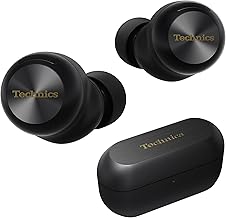
The sound pick. Sound quality is its dominant, consistently praised strength, backed by strong battery, LDAC and multipoint. ANC and mic are the weak points.
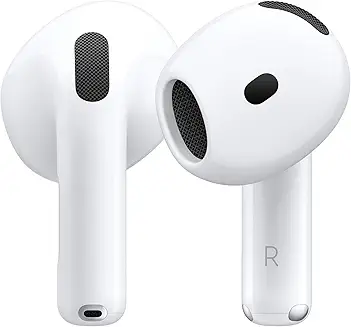
The open-fit pick for buyers who can't stand sealed eartips. Comfortable and enjoyable with EQ, but the open design means mild ANC and a recurring thread of audio dropouts.
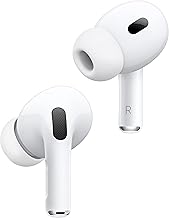
The comfortable, proven Apple option. Strong for all-day comfort and ecosystem convenience, with effective ANC, though the older models show long-term hardware wear.
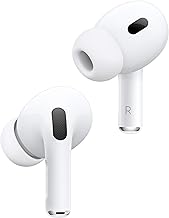
The value pick that still impresses on sound — one owner rates it above most IEMs — with ANC that blocks real-world noise. Fit and eartips are the recurring friction.
How to choose: the priority that decides it
Premium earbuds owners don't agree on a single best — they agree that the pick depends on what you optimize for. Four priorities come up again and again in buyer discussion:
- Noise cancellation as the deciding feature.
- Sound quality above everything else.
- Open-fit comfort for people who can't wear sealed tips.
- Value and convenience, especially inside Apple's ecosystem.
Pick your priority first, then match it below. Optimizing for one almost always means giving something up on another.
If ANC comes first: AirPods Pro 3
For buyers who rank noise cancellation above all, the AirPods Pro 3 is the pick owners point to. Multiple owners upgrading from older AirPods, Sony and Bose describe its ANC as the best they've used, including airplane-engine-level isolation.
What you give up: the sound rewards tuning rather than wowing out of the box, fit is hit-or-miss, and early-unit faults are reported more often than you'd like. ANC also depends on a good seal, so confirm the fit.
Choose this if:
Quieting commutes, flights or open offices is your single biggest reason to buy.
If sound comes first: Technics AZ100
When audio fidelity leads, owners consistently rate the Technics AZ100's sound as its standout — it's the dominant praise theme, described as a wide, detailed, bass-capable signature, and backed by strong battery, LDAC and multipoint. More than one owner calls it the best all-rounder near its price.
What you give up: the ANC trails Sony and Apple, and the mic disappoints some. You'll also want to swap to foam tips and tune EQ to hear it at its best.
Choose this if:
You listen critically and would trade some ANC for clearly better sound.
If you can't stand eartips: AirPods 4
For buyers whose ears reject sealed tips, the open-fit AirPods 4 is the comfort-first answer. Owners call the no-tip fit a perfect middle ground, and the sound is enjoyable once EQ'd.
What you give up: a lot of ANC — the open design only mildly reduces noise — and a recurring thread of audio dropouts and connection glitches. This is a quiet-environment pick, not a commute-silencer.
Choose this if:
Comfort without eartips matters more than isolation, and you mostly listen somewhere quiet.
If value and Apple convenience come first: AirPods Pro or Pro 2
If you want sealed Apple earbuds without paying for the latest generation, the older AirPods Pro and the Pro 2 still deliver. The Pro is praised for all-day comfort and effective ANC; the Pro 2 still impresses on sound — one owner rates it above most IEMs — and blocks real-world traffic and engine noise.
What you give up: weaker ANC than the Pro 3, eartip-fit friction on the Pro 2, and long-term hardware wear on aging units (register for warranty).
Choose these if:
You want proven, comfortable, ecosystem-friendly buds for less, and ANC isn't your deciding factor.
Quick decision guide
Pick the AirPods Pro 3 if:
ANC is your top priority and you get a good seal.
Pick the Technics AZ100 if:
Sound quality leads and you'll tune tips and EQ.
Pick the AirPods 4 if:
You can't wear sealed tips and listen mostly in quiet places.
Pick the older AirPods Pro or Pro 2 if:
You want comfortable, proven, Apple-friendly buds for less and ANC isn't the deciding factor.
No single earbud here wins on every axis — matching the pick to your top priority is what avoids buyer's remorse.
Evidence Highlights
Owners coming from older AirPods, Sony and Bose rate the ANC among the best they've used.
Sound quality is the dominant praise theme, with strong battery and codec support.
Owners who dislike eartips choose them for the no-seal fit, accepting mild ANC.
Still rated highly on sound for the price, with effective real-world ANC.
Check current prices
This guide is built from audited buyer discussion evidence — no paid placements, no sponsored rankings. Product inclusion and ranking are determined by evidence volume, sentiment balance, and recurring themes. Read our methodology →