Apple AirPods Pro Complaints That Keep Recurring: Fit Failures, Hardware Faults, and Mic Quality Issues
AirPods Pro 3 earns consistent praise for ANC performance and a significant battery upgrade over earlier generations — but 55% of buyer discussion evidence is negative, which is the highest negative rate of any audio product in this review pool. The recurring complaint themes are specific and independent: eartip slippage during active use, left-earbud hardware faults that Apple's service can't reproduce, call mic quality that sounds fine to the wearer but consistently draws recipient complaints, and a fit regression for buyers upgrading from Pro 2. This guide draws from 40 evidence rows to surface what these complaints actually mean for buying decisions, who encounters them, and who comes away satisfied despite them.
Known Issues Before You Buy
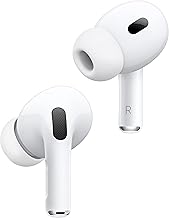
Apple's flagship TWS earphones with strong ANC and deep Apple ecosystem integration. Pro 3 battery is a genuine generational leap. Four recurring complaint patterns affect a documented subset of buyers — fit, hardware, mic, and upgrade regression.
Eartip fit failures: the most documented complaint across the evidence
The dominant complaint across 40 evidence rows is eartip slippage under active-use conditions. This isn't a vague comfort issue — it follows a specific pattern that multiple independent owners describe identically:
The failure mode: When ears warm up or produce oil during exercise, outdoor activity, or extended wear, the silicon eartip material becomes slippery and loses its seal. The ANC degrades significantly when the seal breaks, because the passive isolation the eartip creates is a prerequisite for ANC to function properly.
Who encounters it: Buyers who jog, work out, or wear the earphones during any physical activity where body temperature rises. Multiple independent owners trying all available tip sizes report that 'the SX tips will eventually slide out of my ears' during runs. The failure is size-independent — it's the material responding to heat and oil, not an incorrect size.
How bad is it: For buyers who only use AirPods Pro at a desk or in low-activity contexts, the fit issue typically doesn't appear. For runners and active users, it's a documented return trigger. At least one buyer sought aftermarket tips to solve the problem the stock options couldn't resolve.
Pro 3 fit regression for Pro 2 loyalists: A separate but related complaint appears from buyers upgrading directly from Pro 2 to Pro 3. Some owners who loved the Pro 2 fit describe Pro 3 causing discomfort and asked whether they could re-purchase the Pro 2. If the Pro 2 fit perfectly for you, the Pro 3 fit is worth testing before purchasing.
Left-earbud hardware faults that Apple's service process can't resolve
A distinct hardware failure pattern appears across multiple independent reports: the left earbud develops intermittent audio faults — cuts out, develops static, or loses audio — and Apple's warranty process fails to resolve it.
The specific pattern: One owner sent the AirPods Pro in under warranty twice with the same result: Apple found no issue, returned the earphones, and the fault continued. A separate buyer described static appearing on the left side within two days of purchase. The commonality is an intermittent fault that doesn't reproduce consistently enough for Apple's bench diagnostics to capture.
What this means for buyers: Hardware defects that warranty service can't reproduce are the worst-case support scenario. Apple's process requires them to find a fault to act on it — if the failure is intermittent, they return the unit unrepaired. This doesn't mean every left-earbud fault goes unresolved, but it means some percentage do.
Who should be concerned: Buyers who have experienced this pattern with other Apple products, or who are outside a convenient Apple Store for in-person support. Buying from a retailer with a clear return policy (Best Buy, etc.) provides an additional safety net beyond Apple's own process.
Call microphone quality: a wearer-recipient gap that drives returns
AirPods Pro 3's call mic generates a specific complaint type: the person wearing them hears fine, but the person on the other end consistently reports problems.
What the evidence shows: Multiple independent owners report the same pattern — after using the earphones for calls for a period of days or weeks, people on the other end complain about voice quality. One owner after a week of use: 'recipients are all complaining about my voice... people on voice calls are ALL saying they can't hear me properly.' A separate report documents severe degradation specifically in Microsoft Teams on macOS — a professional-use context where this failure has real consequences.
Why this complaint is harder to catch: Because the wearer hears themselves clearly, there's no local indication the mic is underperforming. Buyers who primarily use their earphones for personal listening won't encounter this issue. Buyers who make regular calls will encounter it through recipient feedback rather than personal experience.
Who should watch for it: Anyone who makes regular professional calls — Teams, Zoom, Slack Huddles — where clear microphone output matters. The failure appears platform-specific in some reports (worse on Teams on macOS) but also appears as a general complaint. If call quality is a core use case, test the mic by asking a contact to provide feedback during the return window.
Who keeps the AirPods Pro despite these complaints — and why
A significant portion of buyers encounter none of these issues — or find the strengths worth the trade-offs.
ANC in genuinely loud environments: The most consistent positive in the evidence is ANC performance in heavy-noise conditions. One buyer who plows snow in a Kubota tractor for a campus describes the AirPods Pro handling 8+ hours of sustained engine noise with the ANC functioning throughout. This is a demanding, extended-use test that most earphones fail. For buyers in similar environments — construction, industrial, sustained city noise — the ANC performance is the primary reason they stay loyal.
Battery life (Pro 3 vs Pro 1): Buyers upgrading from AirPods Pro 1 consistently describe the battery improvement as transformative. At least one owner: 'it's night and day vs Pro 3. I literally never have to charge my AirPods Pro 3 case it feels like. Maybe once a week if that.' If the battery life limitation of the Pro 1 was your primary frustration, the Pro 3 resolves it clearly.
Fit that works for most buyers: Despite the eartip complaints above, a significant group of owners find the Pro 3 fit reliable — including some who previously hated in-ear earphones. One new user who 'hates things in my ears' described finding the right tip size and the earphones never falling out. The eartip failure mode is specific to physical activity and warm-ear conditions; for non-active use, fit is rarely a complaint.
The Apple ecosystem integration: For buyers deeply integrated into iPhone, Mac, and iPad, automatic device switching with no pairing steps is a genuine quality-of-life feature. Much of the Pro 3's value is integration-dependent — buyers outside the Apple ecosystem gain less from it.
Risk summary: who should proceed carefully and who is likely fine
Proceed carefully if:
- You run, exercise, or use earphones during any physical activity where your ears warm up. Test fit in the most demanding conditions you'd use them before the return window closes.
- You make regular professional calls where recipients' experience matters. Ask a contact for mic quality feedback during the return window.
- You're upgrading from Pro 2 specifically — test fit, as it changed between generations for some buyers.
Likely fine if:
- Your primary use is commuting, desk work, or casual listening where eartip seal isn't under physical stress. The fit failure is activity-dependent.
- You're upgrading from Pro 1 and battery life was your main complaint. The Pro 3 resolves this clearly.
- You use them for personal listening rather than calls. The mic issue appears only when others can hear you.
The one action that mitigates most of the risk: Buy from a retailer with a clear return policy and test your specific use cases — active eartip fit, call mic quality from a recipient's perspective — before the return window closes. The intermittent hardware failures are harder to catch, but fit and mic issues surface quickly with deliberate testing.
Evidence Highlights
Multiple independent owners report eartip material becoming slippery during exercise; all tip sizes fail for some buyers; ANC degrades without seal
At least two independent owners report left-earbud audio failures; Apple found no fault during warranty service and returned unrepaired; intermittent nature evades bench diagnostics
Owners report recipients 'ALL saying they can't hear me properly' after a week of use; documented separately on Microsoft Teams macOS
ANC performs during 8+ hour sessions in tractor cabs and sustained industrial noise; the primary reason buyers overlook or accept other complaints
Check current prices
This guide is built from audited buyer discussion evidence — no paid placements, no sponsored rankings. Product inclusion and ranking are determined by evidence volume, sentiment balance, and recurring themes. Read our methodology →