Which Over-Ear ANC Headphone Fits You — Sound, Noise Cancellation, or Comfort
Flagship over-ear ANC headphones cluster close on price, so the real question is which one fits your priority. This guide segments the leading picks using owner discussion, not lab tests. The pattern is consistent: buyers who put sound first land on a different headphone than buyers who put noise cancellation or comfort first, and build durability is a shared concern worth weighing. It covers sound, ANC, comfort and build; it does not rank the headphones on specs.
Which Product Fits Which Buyer
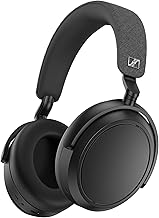
The sound pick. Sound quality is its dominant, consistently praised strength — owners who've owned Sony's flagships often give the Momentum 4 the edge on audio — with genuine all-day comfort. The ANC is adequate but not the strongest in its class, and headband fabric peeling is a recurring build worry.
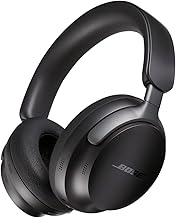
The comfort-and-isolation pick. Owners praise comfort (including for glasses wearers) and the sound, and it draws the fewest build complaints of the group. The ANC sensation doesn't suit everyone, and touch controls and mic are weak points.
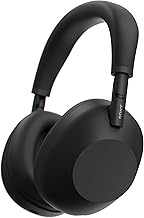
The ANC-and-features pick. Owners rate the noise cancellation excellent and the EQ-tunable sound highly. The recurring catch is build — the plastic feels cheap for the price and hinges can be fragile.
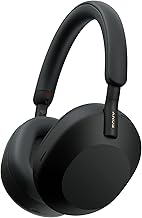
The aging-value option. Owners still rate its ANC excellent and find it good value against cheaper sets, but hardware failures and a weaker sound reputation come up. Worth considering mainly on a discount.
How to choose: sound, ANC, or comfort
These headphones sit close on price, so owners don't argue about which is 'best' — they pick by what they optimize for. Three priorities dominate buyer discussion:
- Sound quality as the deciding factor.
- Noise cancellation and features for travel and offices.
- Comfort and isolation for long all-day wear.
Build durability cuts across all of them and is worth weighing whichever you pick. Match your priority below.
If sound comes first: Sennheiser Momentum 4
When audio leads, owners consistently point to the Momentum 4 — sound is its dominant praise theme, and buyers who've owned Sony's WH-1000XM5 or XM6 tend to give the Sennheiser the edge on audio while conceding ANC to Sony. Comfort for long sessions backs it up.
What you give up: ANC that's adequate rather than best-in-group, and a recurring headband-fabric peeling issue — register for warranty.
Choose this if:
Sound quality is the thing you care about most and you'll wear them for hours.
If noise cancellation and features come first: Sony WH-1000XM6
For travel, commuting and open offices, the XM6 is the ANC-and-features pick. Owners rate its noise cancellation excellent and praise the sound once EQ'd, plus Sony's deep app features.
What you give up: the recurring complaint is build — more than one owner finds the plastic cheap for a flagship, and hinges can be fragile. Handle them with care.
Choose this if:
You want strong ANC and rich features and will treat the headphones gently.
If comfort and isolation come first: Bose QuietComfort Ultra
When all-day comfort and isolation lead, owners point to the Bose QuietComfort Ultra. They praise the comfort — including for glasses wearers — and the sound, and it draws the fewest build complaints of this group.
What you give up: the ANC sensation doesn't suit everyone (some find the pressure feeling uncomfortable), and touch controls and the mic are weak points.
Choose this if:
Comfort for long wear and strong, steady isolation matter most to you.
Build durability: the shared concern
Whichever you choose, build is worth a thought. The Momentum 4's headband fabric can peel, the XM6's plastic feels cheap for the price with fragile hinges, and the older XM5 draws hardware-failure reports. The Bose QuietComfort Ultra attracts the fewest build complaints here.
If long-term durability is your single biggest worry rather than sound or ANC, that tilts toward the Bose — and toward registering for warranty on any of them.
Quick decision guide
Pick the Sennheiser Momentum 4 if:
Sound quality is your priority and you want all-day comfort.
Pick the Sony WH-1000XM6 if:
You want the strongest ANC and richest features and will handle it carefully.
Pick the Bose QuietComfort Ultra if:
Comfort, isolation and build peace-of-mind lead.
Consider the Sony WH-1000XM5 if:
You want proven Sony ANC at a discounted price and accept its age.
None of these wins on every axis — matching the pick to your top priority is what avoids regret.
Evidence Highlights
Sound is the dominant praise theme; owners who held both give it the edge over Sony's flagships on audio.
ANC and EQ-tuned sound praised; the recurring complaint is a build that feels cheap with fragile hinges.
Comfort (including for glasses wearers) and sound lead, with the fewest build complaints of the group.
ANC still rated excellent, but hardware failures and sound reputation hold it back to a discount pick.
Check current prices
This guide is built from audited buyer discussion evidence — no paid placements, no sponsored rankings. Product inclusion and ranking are determined by evidence volume, sentiment balance, and recurring themes. Read our methodology →