LG C5 vs G5 OLED: Is the G5 Worth the Premium?
Buyers who've settled on an LG OLED still face one real decision: the value-focused C5 or the step-up G5. This guide lays out what the extra money actually buys, using owner discussion rather than lab numbers. The recurring story is that the C5 delivers most of the picture for far less, while the G5 adds brightness, a better anti-glare coating and a flush wall design for buyers who want the reference experience. It does not cover pricing in detail, which shifts with sales.
Head-to-Head
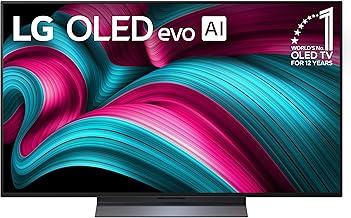
The value OLED that delivers accurate picture, Dolby Vision and strong gaming for far less.
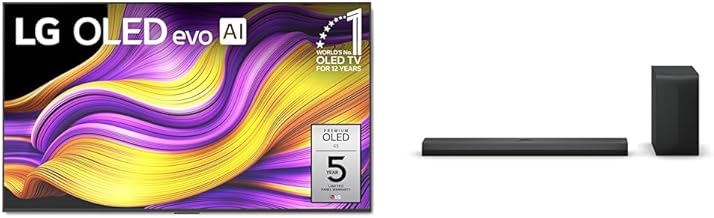
The reference OLED with more brightness, a better anti-glare coating and a flush design.
What the extra money actually buys
Both are excellent OLEDs with the same core strengths: accurate picture, Dolby Vision, and 165Hz gaming that owners say beats a monitor for most players. The G5 adds three things owners notice. It's brighter, it has a meaningfully improved anti-glare coating that mutes reflections (especially on dark content), and its flush wall-mount design sits nearly flat against the wall. The C5 gives up some of that brightness and the premium coating, but delivers the rest of the picture for considerably less. That's the whole decision in a sentence: reference polish versus value.
The case for the C5: most of the picture for less
The C5 is the value pick, and owners consistently recommend it as the OLED to buy for movies and gaming when you don't need the absolute brightest panel. It's accurate, supports Dolby Vision, and several owners run it as a gaming display with no response-time complaints. Two honest caveats appear in owner reports. Its brightness trails the G5 and brighter QD-OLED rivals, so it's happiest in a light-controlled room, and a few upgraders coming from older or higher-end OLEDs felt the jump was smaller than the hype suggested. As with any OLED, burn-in care matters for static content.
Choose the C5 if:
- You want most of the LG OLED experience at the best value.
- Your room has reasonable light control.
The case for the G5: brightness, anti-glare and reference picture
The G5 is the reference pick. Owners describe a picture with a wow factor that doesn't fade, true HDR and cinematic gaming, and one specifically highlights a significantly improved anti-glare coating that makes reflections much less distracting, with better calibration than the previous generation. The flush wall mount is a design bonus. The caveats are technical and worth knowing: PC users can hit bandwidth limits at 4K 165Hz (10-bit color drops to 4K 120Hz or 1440p 165Hz for one owner), some report panel uniformity or banding that often settles after break-in, and it commands a clear premium.
Choose the G5 if:
- You want the brightest, most reflection-resistant LG OLED and the reference picture.
- You'll pay the premium and value the flush design.
Who should choose which
Choose the C5 if:
- Value leads and you have a light-controlled room.
- You're upgrading from an older mid-range TV and want a big, affordable jump.
Choose the G5 if:
- You have a brighter room or are sensitive to reflections, where the improved anti-glare coating earns its keep.
- You want the best LG OLED picture and a flush wall installation, and the premium is acceptable.
In a controlled room, the C5 is the smarter spend. The G5 is worth the step up specifically for brightness, reflection handling, and the reference picture.
The tradeoff in one paragraph
The C5 delivers most of what makes an LG OLED great, for considerably less money, at the cost of some brightness and the premium anti-glare coating. The G5 buys you that brightness, much better reflection handling, a flush design and the reference picture, at a clear premium and with a couple of PC-connection quirks. If your room is controlled and value matters, the C5 is the easy call. If you have light to fight or want the best LG can do, the G5 earns the upgrade.
Common questions buyers ask
LG C5 picture quality and brightness?
The C5 is praised for accurate picture and Dolby Vision, but its brightness trails the G5 and QD-OLED, so it's happiest in a light-controlled room.
Is the LG G5 good for gaming?
Yes. Owners run it as a 165Hz gaming display and say it beats a monitor for most players, with a brighter, reference-grade picture.
Is the G5 worth the premium over the C5?
The G5 adds brightness, a much-improved anti-glare coating and a flush design. It's worth it for bright rooms or reflection-prone spaces; the C5 is the value pick otherwise.
LG C5 vs Samsung S90F?
The C5 offers Dolby Vision and a smoother UI; the Samsung QD-OLED is brighter and more vivid for gaming. Choose by Dolby Vision vs brightness.
Evidence Highlights
Owners praise an enduring wow-factor picture and a significantly better anti-glare coating than the prior generation.
Recommended as the value pick with accurate picture and Dolby Vision, in a light-controlled room.
A few owners coming from older or higher-end OLEDs found the jump smaller than expected.
Owners hit limits at 4K 165Hz 10-bit over PC, a technical caveat to plan around.
Check current prices
This guide is built from audited buyer discussion evidence — no paid placements, no sponsored rankings. Product inclusion and ranking are determined by evidence volume, sentiment balance, and recurring themes. Read our methodology →