Mini-LED TV Tradeoffs: Sony Bravia 9 vs TCL's QM-Series
Buyers shopping mini-LED TVs in this range keep landing on the same decision: pay up for Sony's processing, or take TCL's brightness and value. This guide lays out that tradeoff using owner discussion and switching behavior rather than lab numbers, and shows where each side wins. It also sorts out which TCL model to buy, since the QM-series spans three tiers. It does not cover detailed pricing, which moves with sales.
Head-to-Head
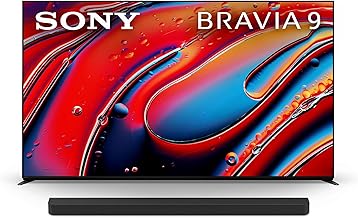
The premium mini-LED owners pick for processing, motion and near-OLED picture.
The premium-value TCL, rated above Samsung and Hisense but behind Sony on processing.
The decision buyers actually face
Across owner discussion, the choice in this price band comes down to one tradeoff: Sony's Bravia 9 brings the best processing and motion handling and a near-OLED picture, while TCL's QM-series brings brightness and value for meaningfully less. Buyers switch in both directions depending on which they weight more, and the volume of cross-shopping between the two brands is exactly why this comparison exists.
Where the Sony Bravia 9 wins
The Bravia 9 is the processing-and-motion pick. Owners describe a near-OLED picture, with blacks close to OLED plus full brightness and no burn-in, and Sony's processing and motion handling are repeatedly cited as a step above TCL. The cost is exactly that. It commands a clear premium, and owners who recommend a TCL often frame it as accepting slightly weaker processing to save money. There are also occasional software and calibration quirks to tune out.
Bravia 9 wins at:
- Processing and motion handling.
- A near-OLED picture in a bright room without burn-in risk.
Bravia 9 loses at:
- Price. It's the most expensive option here.
Where TCL wins
TCL's case is value and brightness. The QM7K is repeatedly called the price-performance sweet spot, with bright, high-contrast picture that owners say approaches OLED, and it's especially strong at large sizes. The step-up QM8K pushes brightness and dimming further and is rated above Samsung and Hisense mini-LEDs, though owners are candid that its processing still trails Sony. The shared TCL caveats are motion handling and non-4K upscaling, narrower viewing angles, and some panel-uniformity reports. So TCL is the choice when brightness and price-per-inch lead, and you can live with weaker processing.
TCL wins at:
- Value and brightness, especially at large sizes.
TCL loses at:
- Processing, motion and non-4K upscaling versus Sony.
Which TCL to buy: QM7K vs QM8K vs QM6K
If you go TCL, the model matters as much as the brand.
- The QM7K is the value sweet spot to target.
- The QM8K is the step up for more dimming zones, brightness and a near-bezel-less design, worth it if you want the best TCL picture and accept the higher price.
- The QM6K is the entry model. It's a solid daily-driver value, but owners place it a clear step below the QM7K on brightness and contrast, and note non-4K content can be hit or miss. Spend up to the QM7K if you can.
Who should choose which
Choose the Sony Bravia 9 if:
- You want the best processing and motion in a mini-LED and watch a lot of varied or non-4K content.
- You'll pay a premium for that polish.
Choose a TCL QM-series if:
The tradeoff in one paragraph
The Bravia 9 buys you the best processing, motion and a near-OLED picture, at a clear price premium. The TCL QM-series buys you more brightness per dollar and excellent big-screen value, at the cost of processing, motion and non-4K upscaling polish. If you watch varied content and want the picture to look its best on everything, Sony earns the extra money. If you want maximum brightness and screen size for the budget and mostly watch 4K, TCL is the smarter spend, with the QM7K as the default pick.
Common questions buyers ask
Is the TCL QM7K worth the price?
Owners overwhelmingly call it the value sweet spot, often dropping to attractive sale prices, especially strong at large sizes. The caveats are motion and non-4K upscaling.
Sony Bravia 9 vs TCL QM7K on picture and brightness?
Both are bright with near-OLED contrast. The Bravia 9 wins on processing and motion; the QM7K wins on value. Pick by whether processing or price leads.
Is the QM6K worth it versus the QM7K?
Owners place the QM6K a clear step below the QM7K on brightness, contrast and dimming. Spend up to the QM7K if you can.
TCL QM7K contrast and brightness?
Owners describe high contrast that approaches OLED with strong brightness, the core of its value case.
Evidence Highlights
Owners cite near-OLED picture and Sony's processing/motion as a step above TCL, at a premium.
Repeatedly called the value mini-LED, with motion and upscaling as the known caveats.
Rated above Samsung and Hisense, with owners conceding Sony's processing edge.
Solid budget value, but a clear step down from the QM7K with non-4K content hit or miss.
Check current prices
This guide is built from audited buyer discussion evidence — no paid placements, no sponsored rankings. Product inclusion and ranking are determined by evidence volume, sentiment balance, and recurring themes. Read our methodology →