Sony Bravia 8 vs Samsung S95F: Which OLED Fits Your Room
Buyers cross-shopping these two OLEDs are really deciding between a bright-room QD-OLED and a movie-first WOLED. This guide lays out the tradeoff from owner discussion rather than lab numbers: where the Samsung S95F's brightness and anti-glare win, where the Sony Bravia 8's processing and movie focus win, and how each handles motion. It does not cover detailed pricing, which moves with sales.
Head-to-Head
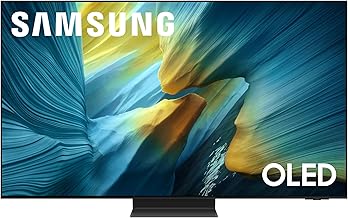
The bright-room QD-OLED with a standout anti-glare matte screen.
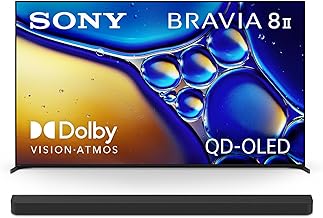
The movie-first WOLED with Sony's processing and built-in sound.
The decision: bright room or movie room
The split between these two is mostly about your room. The S95F is a QD-OLED built to shine in bright spaces, with a matte anti-glare screen owners single out and higher peak brightness. The Bravia 8 is a WOLED tuned for movies in a controlled room, where Sony's processing and built-in sound stand out. Both are excellent panels; the right one depends on how much light you're fighting and whether movies or all-round brightness leads.
Where the Samsung S95F wins
The S95F's standout is its screen treatment. Owners repeatedly praise the matte anti-glare finish, calling it great for broad daylight and noting it reduces reflections while keeping clarity and pure whites, alongside increased peak brightness. That makes it the pick for a bright living room where an ordinary OLED would wash out or mirror the room. The caveats: motion processing draws recurring complaints (owners report micro-stuttering), Samsung's Tizen interface is a common gripe, and at least one owner felt the premium over a cheaper set wasn't worth it.
S95F wins at:
- Bright-room performance, anti-glare and peak brightness.
S95F loses at:
- Motion handling and the smart-TV experience.
Where the Sony Bravia 8 wins
The Bravia 8 is the movie-first choice. Owners praise its vibrant, accurate picture and especially Sony's processing, motion handling and built-in sound, which they rate above LG's WOLEDs for everything but brightness. In a dark or light-controlled room it delivers the contrast and shadow detail movie watchers want. Its caveats mirror the Samsung's strengths: brightness trails QD-OLED, so it's less suited to a bright room, OLED motion can stutter on panning content, and a couple of owners report reliability issues.
Bravia 8 wins at:
- Movie processing, built-in sound and dark-room contrast.
Bravia 8 loses at:
- Peak brightness and bright-room reflection handling.
Motion: a caveat on both
Worth knowing before you choose: motion isn't a clean win for either. The S95F draws recurring micro-stutter and motion-processing complaints, while the Bravia 8, like other OLEDs, can stutter on lower-frame-rate content and horizontal panning. If smooth motion on movies and sports is a top priority, neither is flawless, and a mini-LED with stronger processing may suit better. Between these two, Sony's processing gives the Bravia 8 a slight edge on motion polish, while the Samsung counters with brightness.
Who should choose which
Choose the Samsung S95F if:
- Your room is bright or reflection-prone, where the matte anti-glare screen earns its keep.
- You want maximum brightness and vivid QD-OLED color, and will tolerate the Tizen UI.
Choose the Sony Bravia 8 if:
- You watch mostly movies in a dark or controlled room.
- You value Sony's processing and built-in sound over peak brightness.
In short, match the TV to your light. A bright room points to the S95F; a movie room points to the Bravia 8.
Common questions buyers ask
Is the Samsung S95F glare-free / good in bright rooms?
Owners single out its matte anti-glare screen as great for broad daylight, reducing reflections while keeping clarity. It's the bright-room pick of the two.
Samsung S95F peak brightness?
Owners highlight increased peak brightness alongside the anti-glare finish, which is why it suits brighter rooms better than the Bravia 8.
Is the Sony Bravia 8 good for movies?
Yes. It's a movie-first WOLED with Sony's processing and built-in sound, best in a dark or controlled room.
Is the Samsung S95F worth it?
For a bright room, owners value the anti-glare and brightness, though one felt the premium over a cheaper set wasn't worth it, and motion stutter is a recurring caveat.
Evidence Highlights
Owners single out the matte anti-glare finish and peak brightness as ideal for bright spaces.
Recurring micro-stutter and motion-processing complaints.
Praised for Sony's processing, motion handling and built-in sound, rated above LG for all but brightness.
Like other OLEDs, can stutter on panning and lower-frame-rate content.
Check current prices
This guide is built from audited buyer discussion evidence — no paid placements, no sponsored rankings. Product inclusion and ranking are determined by evidence volume, sentiment balance, and recurring themes. Read our methodology →