Which TV Fits Your Room — OLED vs Mini-LED, by Light, Gaming and Budget
Choosing a premium TV starts with one question owners keep circling back to: how bright is your room? That fork — OLED for controlled light, Mini-LED or anti-glare QD-OLED for bright rooms — decides more than any spec. This guide segments the leading LG, Sony, Samsung and TCL sets by room and use-case from owner discussion, including buyers who switched between panel types. It covers bright-room, dark-room movies, gaming, budget and reference picture; it does not rank the TVs on lab numbers.
Which Product Fits Which Buyer
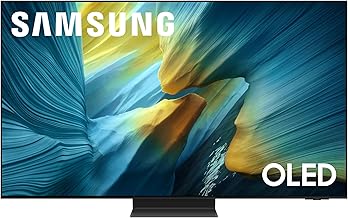
The bright-room QD-OLED. Its matte anti-glare screen and high peak brightness make it owners' pick for daylight and reflective rooms, combining OLED blacks with brightness. Motion processing draws the main complaints.
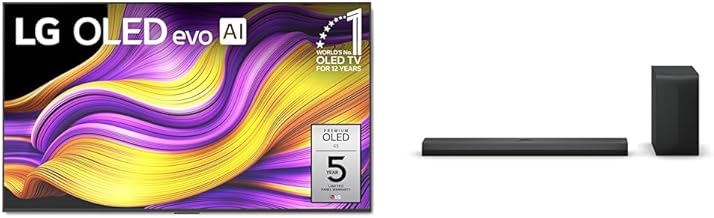
The reference-picture and HDR-gaming OLED. Owners describe stunning picture and superb HDR, with an improved anti-glare coating and 165Hz for PC gaming. Some hit 4K 165Hz PC signal limits and a few panel-uniformity quirks at a premium price.
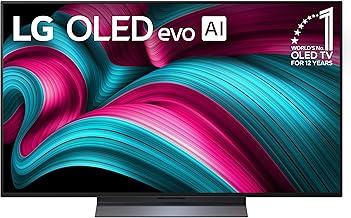
The dark-room movie-and-gaming value OLED. Owners praise accurate, crisp picture, Dolby Vision and gaming, calling it strong value. Best in dark-to-moderate light; very bright rooms are a question.
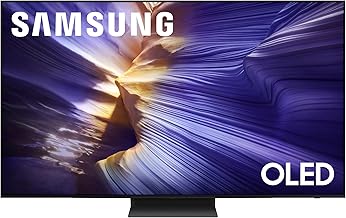
The gaming QD-OLED. Owners rate it bright with HDR pop and a standout for gaming, especially in dark rooms. The Tizen OS draws the main gripes, plus some QC worries.
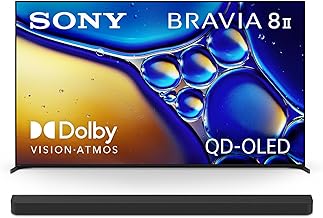
The processing-led movie OLED. Owners praise the processor, vibrant colors and incredible blacks for movies. Motion artifacts and value-vs-rivals come up, and there is a reported failure case.
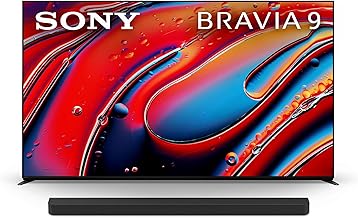
The premium Mini-LED. Owners praise picture quality, blacks and full-screen brightness, with good long-term durability, and some prefer it over the TCL QM8K. Reflection handling and occasional blooming are the trade-offs.
The bright-room value flagship Mini-LED. Owners say it cuts through heavy sunlight with near-OLED blacks and strong dimming, rated above Samsung and Hisense rivals. Sony still has the processing edge and the premium over the QM7K divides buyers.
The value Mini-LED to beat. Owners call it the price-to-performance sweet spot with bright, high-contrast picture. Motion handling, a narrow viewing angle and panel-uniformity (DSE) defects are the caveats.
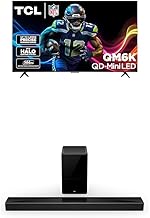
The budget Mini-LED. Owners call it the best budget pick for picture and value, with a five-year warranty at Costco. Weak sports motion and a step below the QM7K's brightness are the trade-offs.
Start here: how bright is your room?
The single biggest decision isn't brand — it's panel type for your light. Buyers switch between OLED and Mini-LED again and again over exactly this.
- Dark-to-moderate room: OLED wins on blacks and accuracy. Look at the LG C5, LG G5 or Sony Bravia 8.
- Bright or sunlit room: brightness and glare control matter more. Look at Mini-LED (TCL QM7K, QM8K, Sony Bravia 9) or the anti-glare QD-OLED Samsung S95F.
Get this right first. A reference OLED in a sunlit room, or a Mini-LED where you wanted perfect dark-room blacks, is the most common mismatch.
Bright room: Samsung S95F, TCL QM8K or QM7K
For rooms with lots of light, owners point to the anti-glare and high brightness sets. The Samsung S95F's matte anti-glare screen and peak brightness make it a daylight favorite while keeping OLED blacks. On the Mini-LED side, the TCL QM8K cuts through heavy sunlight with near-OLED blacks, and the TCL QM7K delivers bright, high-contrast picture at strong value.
What you give up: the S95F's motion processing draws complaints; the QM7K has a narrow viewing angle and possible panel-uniformity defects.
Choose a bright-room pick if:
Light on the screen is your dominant constraint.
Dark-room movies: LG C5, LG G5 or Sony Bravia 8
In a controlled-light room for film, OLED's perfect blacks lead. The LG C5 pairs accurate, crisp picture and Dolby Vision with strong value; the LG G5 steps up to reference picture and superb HDR; the Sony Bravia 8 leans on Sony's processing with vibrant colors and incredible blacks.
What you give up: brightness in sunny rooms (C5), a premium price (G5), and some motion artifacts plus value questions (Bravia 8).
Choose an OLED if:
You watch mostly movies in a dark-to-moderate room.
Gaming: Samsung S90F, LG G5 or TCL QM7K
For gaming, owners highlight a few standouts. The Samsung S90F is a bright, punchy QD-OLED owners rate as a gaming favorite, especially in dark rooms. The LG G5 brings true HDR gaming at 165Hz for PC. The TCL QM7K is the value gaming pick with bright, high-contrast picture.
What you give up: the S90F's janky OS, the G5's premium price and PC 4K 165Hz limits, and the QM7K's motion handling for fast content.
Choose a gaming pick if:
Low-lag, high-impact gaming is your main use.
Budget and premium ends
On a budget: the TCL QM6K is owners' best-value Mini-LED for picture and price (with a five-year Costco warranty), as long as you're not watching a lot of fast sports, where its motion is weak. The QM7K is the small step up for brighter, punchier picture.
At the premium end: the LG G5 is the reference-picture OLED, and the Sony Bravia 9 is the flagship Mini-LED owners praise for blacks, full-screen brightness and durability — some preferring it over the TCL QM8K.
Choose by budget if:
Price is the binding constraint at either end.
Quick decision guide
Bright/sunlit room:
Samsung S95F (anti-glare QD-OLED) or TCL QM8K / QM7K (bright Mini-LED).
Dark-room movies:
LG C5 (value), LG G5 (reference), or Sony Bravia 8 (Sony processing).
Gaming:
Samsung S90F, LG G5 (PC HDR), or TCL QM7K (value).
Tight budget:
TCL QM6K — unless you watch a lot of fast sports.
Flagship/premium:
LG G5 (OLED) or Sony Bravia 9 (Mini-LED).
Decide your room's light first, then match the use-case — that order prevents the most expensive TV mistakes.
Evidence Highlights
Matte anti-glare and high peak brightness make it the daylight QD-OLED pick.
Repeatedly called the price-to-performance sweet spot for bright, high-contrast picture.
Stunning picture, superb HDR and 165Hz PC gaming put it at the premium OLED end.
Bright with HDR pop and rated a gaming standout, especially in dark rooms.
Owners' best-value Mini-LED for picture and price, weak only on fast sports.
Check current prices
This guide is built from audited buyer discussion evidence — no paid placements, no sponsored rankings. Product inclusion and ranking are determined by evidence volume, sentiment balance, and recurring themes. Read our methodology →