Sony Bravia 9: Reflection, Blooming, and Crash Complaints to Weigh First
The Sony Bravia 9 delivers the flagship mini-LED picture buyers pay a premium for, with owners praising its blacks, full-screen brightness and durability. But its owner discussion also carries a consistent set of complaints, 9 of 24 rows, centered on reflections, blooming and software stability, with two hesitation signals showing buyers worried before purchase. This guide covers those recurring issues and who should weigh them, drawing on owner reports rather than spec sheets. It does not rank the Bravia 9 against rivals; the mini-LED and which-TV guides do that.
Known Issues Before You Buy
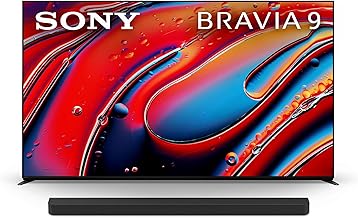
A premium mini-LED TV with flagship picture and durability praise, undercut by reflection, blooming and stability complaints.
The complaint pattern: reflections, blooming, and stability
The Bravia 9's complaints are notable because they partly undercut the bright-room use case it is bought for.
- Poor reflection handling is a recurring complaint in bright rooms, the exact setting mini-LED targets.
- Light bleed and blooming is the classic mini-LED weakness, reported here too.
- A manual VRR switch is a usability gripe for gamers.
- Owners report crashes with high-quality content, a software-stability issue.
- Some feel the settings do not look that great out of the box.
At 9 of 24 rows negative, the complaints are a clear minority against strong picture and durability praise, but they cluster around real, repeatable issues.
How much each issue matters
The reflection and blooming complaints matter most because they touch the core reason to buy a bright mini-LED, and reflections specifically can be a problem in the sunny rooms these sets are chosen for. Two hesitation signals and two switching signals show buyers weighing this and, in some cases, moving on.
The stability complaint (crashes on high-quality content) is concerning but may be addressable through firmware over time. The manual VRR switch and out-of-box settings are setup friction rather than defects, fixable by a buyer willing to tune the TV.
Who should proceed, and who should be careful
Proceed with confidence if:
You want flagship mini-LED processing, black levels and long-term durability, and you can control room lighting to limit reflections. Owners call it a massive upgrade with better blacks, full-screen brightness and durability, and some prefer it over the TCL QM8K.
Be careful if:
Your room is very bright or has windows opposite the screen, where the reflection complaints bite hardest, or you stream a lot of high-bitrate content given the crash reports.
Weigh value alternatives if:
The premium is a stretch. The mini-LED tradeoffs guide compares it directly against the TCL QM-series, which many owners feel gives up little for far less.
Evidence Highlights
Poor reflection handling and blooming recur in bright-room owner reports
Crashes with high-quality content reported as a software issue
Check current prices
This guide is built from audited buyer discussion evidence — no paid placements, no sponsored rankings. Product inclusion and ranking are determined by evidence volume, sentiment balance, and recurring themes. Read our methodology →